How to Choose the Right Printing Technology
- Logo and Signs, Marketing, Printing, Signs
- #hightechnologyprinting, #printing, #printingtechnology, #printingtechnologyevolution
- March 19, 2023
Choosing a printing method comes down to what you’re making, how many you need, where it will be used, and when you need it. Digital printing is usually a strong fit for short runs and fast changes. Offset printing can make sense for larger, consistent runs. Wide-format printing is built for graphics such as banners, wall murals, window graphics and displays. Finishing and installation also matter: the right production plan includes everything needed to turn printed sheets or graphics into a finished piece.
This guide explains the main commercial printing methods, when to use each, and what information helps a printer recommend the right process. DNA Marketing & Printing produces commercial print, signs and large-format graphics in Hallandale Beach for businesses across South Florida.
From print to place
Good printing is made to be seen.
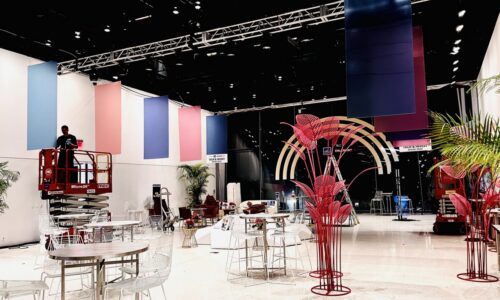
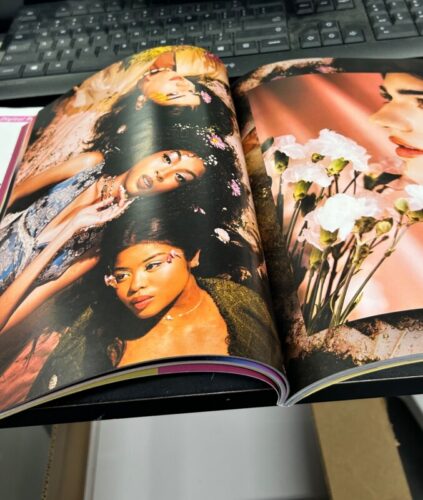
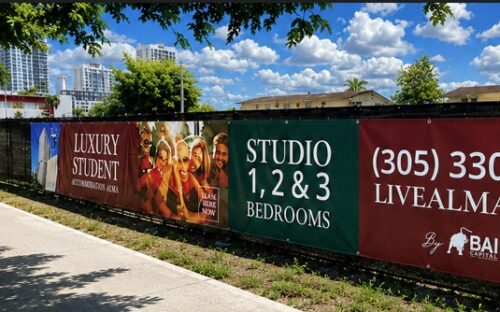
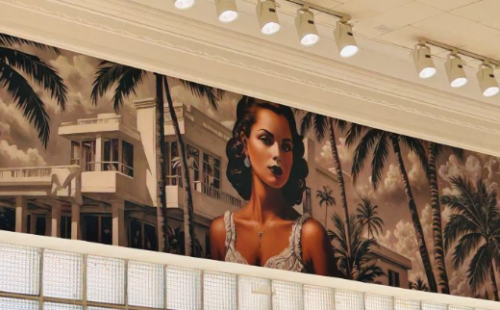
A look at the publications, outdoor graphics and installed visuals DNA produces for South Florida businesses.
Commercial printing methods at a glance
| Method | Often a good fit for | What to consider |
|---|---|---|
| Digital | Short runs, repeat orders, quick turnaround, versions with changing text or images | Paper, size, color expectations and finishing options |
| Offset | Longer runs where consistent reproduction and unit cost at volume are priorities | Setup time, final quantity, paper and schedule |
| Wide format | Banners, posters, window and wall graphics, trade-show displays and other large visuals | Viewing distance, indoor or outdoor use, surface and installation |
These are useful starting points, not rigid rules. Equipment, materials, quantity and finishing can change the best choice. A printer can compare options once the finished size, quantity and use are clear.
Digital printing: flexible production for short runs
Digital presses transfer a digital file directly to the print system, without the plate-making setup used in offset printing. That makes digital production useful when a project needs a modest quantity, a quick reprint, or several versions. It can also make it practical to test a piece before ordering more.
- Common projects: brochures, booklets, catalogs, postcards, flyers, presentation materials and short-run business documents.
- Useful when: quantities may change, the schedule is tight, or you need several versions with different names, locations or offers.
- Ask about: paper weight and finish, folding or binding, proofing, color matching, and whether the quantity should be split into versions.
Digital does not automatically mean “best for every small order.” A particular paper, size, coating, binding method or color requirement may point to another process. Compare the complete finished job rather than print cost alone.
Offset printing: a strong option for larger, consistent runs
Offset printing transfers ink from a plate to a blanket and then onto paper. Preparing plates adds setup, so offset is generally considered when the quantity and specifications justify that setup. It is widely used for larger runs that need consistent reproduction across many copies.
- Common projects: higher-quantity brochures, catalogs, inserts, mail pieces and other repeatable paper products.
- Useful when: the quantity is substantial, the artwork is stable, and the schedule allows time for setup and production.
- Ask about: break-even quantity, paper availability, proof type, color requirements, finishing and delivery schedule.
There is no universal quantity at which offset becomes less expensive. The crossover depends on the press, paper, number of pages or colors, finishing and current production schedule. Ask for a side-by-side quote when you are close to the decision point.
Wide-format printing: graphics made to be seen at scale
Wide-format printing produces large graphics for spaces, events and physical environments. The artwork, material and installation plan should be considered together because the graphic has to fit the site and perform in its intended setting.
- Banners and posters: for events, promotions, construction fencing and temporary messaging.
- Window graphics: for storefront branding, privacy, promotions and seasonal changes.
- Wall graphics and murals: for branded interiors, retail environments, offices and public spaces.
- Trade-show and event displays: backdrops, signs and visual elements planned around the venue and setup schedule.
- Vehicle graphics: graphics planned around the vehicle’s panels, use and installation requirements.
For outdoor graphics, tell your printer how long the piece needs to remain up and what weather or exposure it will face. For walls, windows and vehicles, provide dimensions and photos of the site or surface when possible. DNA also handles large-format printing and event production in South Florida, including production and installation planning.
Finishing is part of the printing decision
Printing is only one step. Folding, trimming, binding, laminating, mounting, contour cutting and installation can determine how the final piece looks, works and fits its space. Bring finishing requirements into the conversation before artwork is finalized.
- Booklets and catalogs: page count, final size, binding style, cover stock and whether pages must open flat.
- Signs and displays: mounting surface, hardware, viewing distance, indoor or outdoor use and installation location.
- Window and wall graphics: exact measurements, surface condition, access and whether old material needs removal.
- Events: venue rules, delivery window, setup time, breakdown and who is responsible for installation.
How to choose the right printing method
- Describe the finished piece. Share the product, finished dimensions, materials and any binding, mounting or installation needs.
- Set the quantity and versions. Include the total number and how many versions have different copy, images or locations.
- Give the real deadline. Include delivery or installation date, not only the date you hope to approve a proof.
- Explain where it will be used. Indoor, outdoor, retail, office, mail or event use can change material and production choices.
- Compare complete quotes. Check whether proofs, finishing, packing, delivery and installation are included.
If you are unsure, ask your printer to price the practical alternatives and explain the trade-offs. A useful recommendation should account for the final use and schedule, not just the printing method.
What to prepare before requesting a print quote
- Product or project type and finished size
- Quantity, including how many versions you need
- Paper or material preference, if known
- Color requirements and any samples to match
- Finishing, binding, mounting or installation requirements
- Delivery address and required in-hands date
- Artwork file, or a note that design help is needed
For a print-ready file, ask for the printer’s specifications before export. They may include bleed, safe margins, image resolution, color mode, fonts and cut lines. Requirements vary by product and equipment, so a general checklist cannot replace the job-specific template or proof.
Printing technology FAQs
Is digital or offset printing better?
Neither is always better. Digital is often convenient for short runs, quick changes and multiple versions. Offset may suit larger, consistent quantities when the setup is justified. Compare a quote for your exact quantity and specifications.
What is wide-format printing used for?
Wide-format printing is used for large graphics such as banners, posters, wall murals, window graphics, trade-show displays and vehicle graphics. Material and installation depend on the location and intended use.
What information does a printer need for an accurate quote?
Provide the finished size, quantity, artwork or page count, material preference, finishing, delivery location and deadline. For installed graphics, include site photos and measurements when available.
Can I change artwork after approving a proof?
Changes may require a revised proof and can affect cost or schedule. Review spelling, dimensions, colors, images and finishing details carefully before giving final approval.
Does a local printer deliver or install?
It depends on the project and service area. Ask whether delivery or installation is included in the quote, and share access details and timing requirements early.
Planning a print project in South Florida?
DNA Marketing & Printing helps businesses plan and produce commercial print, catalogs, booklets, signs, banners, retail graphics and event displays from our Hallandale Beach facility. Tell us what you are making, the quantity and your deadline, and we can help compare the production options.
Request a print quote → or call 954-210-7326.